















































Navigating the Digital Puzzle Library: Finding Your Optimal Cognitive Challenge
With more than 10,000 photographic compositions available across 50 thematic collections, choosing the right digital jigsaw puzzle is both an art and a science. The interaction between chromatic density, geometric contrast, and piece count shapes your neurocognitive experience. This guide will help you select the ideal puzzle format to stimulate memory, enter a relaxed flow state, and sharpen visuospatial problem-solving.
Key Selection Principles
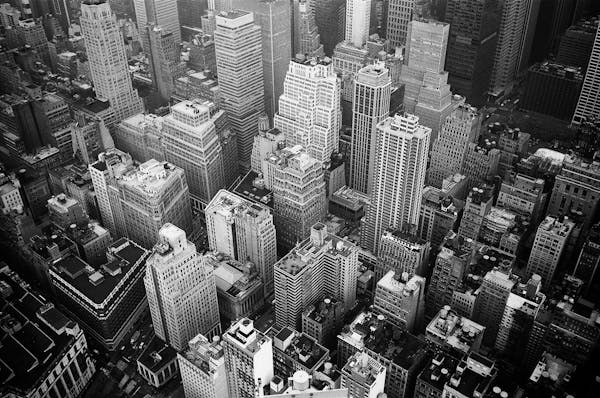
- High Chromatic Variance: Compositions with distinct, bold color zones (e.g., bookshelf spines, city skylines) reduce visual fatigue and ease piece sorting.
- Fractal & Continuous Textures: Monochromatic regions such as clear blue skies, snowy meadows, and deep water require advanced shape-matching heuristics and ghost underlays.
- Ergonomic Time Matching: Align your chosen piece count with your available time window (15 mins for 100 pieces; 45 mins for 300 pieces; multi-day marathons for 1,000 pieces).
1. How Image Composition Governs Solving Complexity
When assessing a jigsaw puzzle, cognitive load is dictated by more than raw piece count. Two puzzles with exactly 300 pieces can demand vastly different cognitive resources depending on photographic composition:
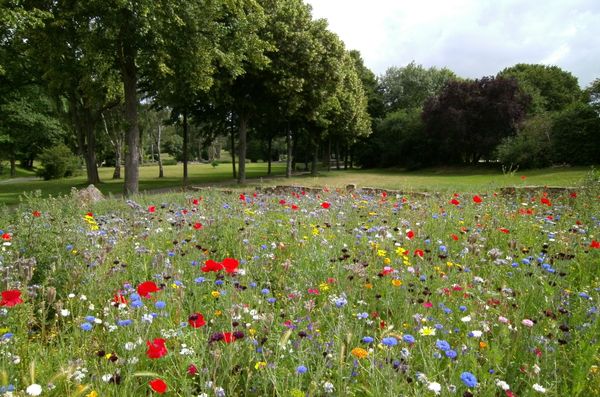
- Structured High-Contrast Imagery: Photographs featuring architectural lines, books on shelves, or distinct flora provide immediate spatial orientation. Your brain quickly anchors piece edges against the overall image, making these ideal for winding down after a stressful day.
- Soft Gradient & Atmospheric Compositions: Landscapes captured during twilight, misty forest trails, or abstract textures demand rigorous shape-oriented inspection. Solvers must rely on the subtle geometry of tabs and blanks rather than obvious color clues, exercising deep visuospatial working memory.
2. Matching Piece Counts to Cognitive Objectives
Our engine scales every puzzle dynamically across seven difficulty tiers:
- 30 & 50 Pieces (Quick Reset): Perfect for young learners, warming up the visual cortex, or taking a quick 3-minute mental break between screen tasks.
- 100 Pieces (Active Aging & Daily Routine): The clinical gold standard for older adults and seniors. The piece dimensions provide comfortable visual ergonomics, encouraging regular cognitive exercise without inducing eye strain.
- 200 & 300 Pieces (Flow State Immersion): The sweet spot for adult puzzlers. Requiring 25 to 45 minutes of sustained focus, these sessions effectively quiet the sympathetic nervous system and induce deep meditative calm.
- 500 & 1,000 Pieces (Grandmaster Marathons): Designed for seasoned puzzle enthusiasts who appreciate methodical sorting, island construction, and multi-hour strategic assembly.
3. The Therapeutic Psychology of Curated Themes
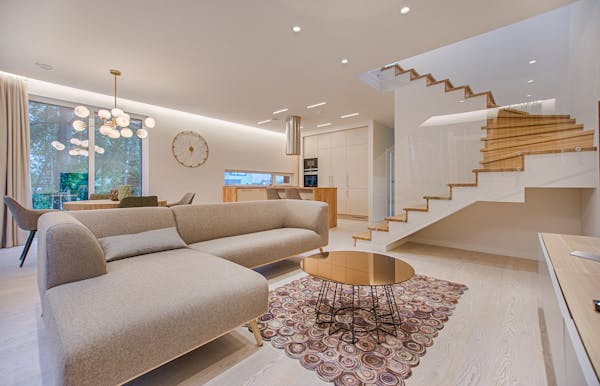
Thematic variety plays a critical role in mental restoration. Clinical studies in environmental psychology indicate that solving puzzles featuring natural greenery, ocean waters, and tranquil domestic scenes (such as fireplaces and tea nooks) significantly reduces salivary cortisol levels. Switching between themes — from the intricate neon geometry of a Tokyo skyline to the rustic warmth of an antique library — prevents habituation and keeps neuroplastic pathways engaged.
4. Modern Web-Native Puzzle Technology
Traditional downloadable puzzle apps frequently introduce disk bloat, aggressive advertisements, and battery-draining background processes. In contrast, JigsawPuzzlesFreeOnline.org delivers a zero-install, lightweight client-side experience:
- Connected Group Movement: Snap two pieces together, and they lock into a cluster that moves across the board seamlessly.
- Ghost Underlay Assistance: Toggle a translucent reference layer behind the wooden board to assist with challenging monochromatic regions.
- Privacy by Design: Personal photos transformed via our "Make Your Own" tool are handled solely in local device memory and never transmitted to remote servers.